AALI KADAL, Srinagar | At 5:30 a.m., downtown Srinagar is still dark. The temperature has dropped below freezing. Most of the city is silent, except for a steady pounding sound coming from a small shop near the Zaina Kadal bridge.
Inside, a cook stands over a large copper pot that has been heating through the night. The dish is harissa, a slow-cooked mixture of lamb and rice, prepared for hours before sunrise. By six o’clock, residents begin to arrive. Some are on their way to work. Others have walked across neighborhoods in the cold. They wait quietly for a bowl.
“This is not just food,” said Ghulam Nabi, whose family has been making harissa for three generations. “This is how we get through winter.”
As visitor numbers in Kashmir increased in late 2025, a different kind of traveler began to appear. Instead of focusing on houseboat stays or ski lifts, many are turning toward the routines of daily life, early-morning meals, village crafts, and winter customs that continue away from the main tourist routes.
To understand Kashmir beyond its scenery, residents say, visitors need to look toward the old city and rural areas, where traditions remain part of everyday survival.
Downtown Srinagar, at Daybreak
For centuries, the old city, known locally as Shehr-e-Khaas, has been the cultural center of the valley. Narrow lanes wind through neighborhoods where trades are still passed down within families.
In Zaina Kadal, copper workers strike heated metal into large serving plates used at weddings. Nearby, bakers pull rounds of girda bread from clay ovens. Many shops open before sunrise, serving customers who have followed the same routines for decades.
At Aali Kadal, harissa is eaten standing or seated on low stools. It is heavy, warm, and designed for long winter days.
Chrar-e-Sharief and the Winter Heater
About an hour south of Srinagar, the city gives way to forested villages. In Chrar-e-Sharief, craftsmen continue to make kangris, small clay pots wrapped in woven willow, filled with hot embers and carried beneath the traditional wool cloak known as the pheran.
Electric heating remains unreliable in many areas. The kangri, residents say, is dependable.
“When the power goes, this still works,” said Abdul, a weaver who learned the craft from his father.
Visitors can now observe these workshops, where flexible willow branches are shaped by hand. For many families, selling kangris helps support an economy that struggles against cheaper, factory-made alternatives.
With the Gujjar Shepherds
In the meadows of Doodhpathri and the higher areas of Pahalgam, nomadic Gujjar and Bakarwal families continue their seasonal migrations with livestock.
In recent months, a small number of homestays and local groups have begun arranging visits that allow travelers to spend time in shepherd huts. The conditions are basic. Families share space around a fire. Water is carried from a distance. Hospitality is offered quietly, often in the form of salted tea.
The visits, organizers say, are meant to be observational rather than recreational.
Life in Gurez Valley
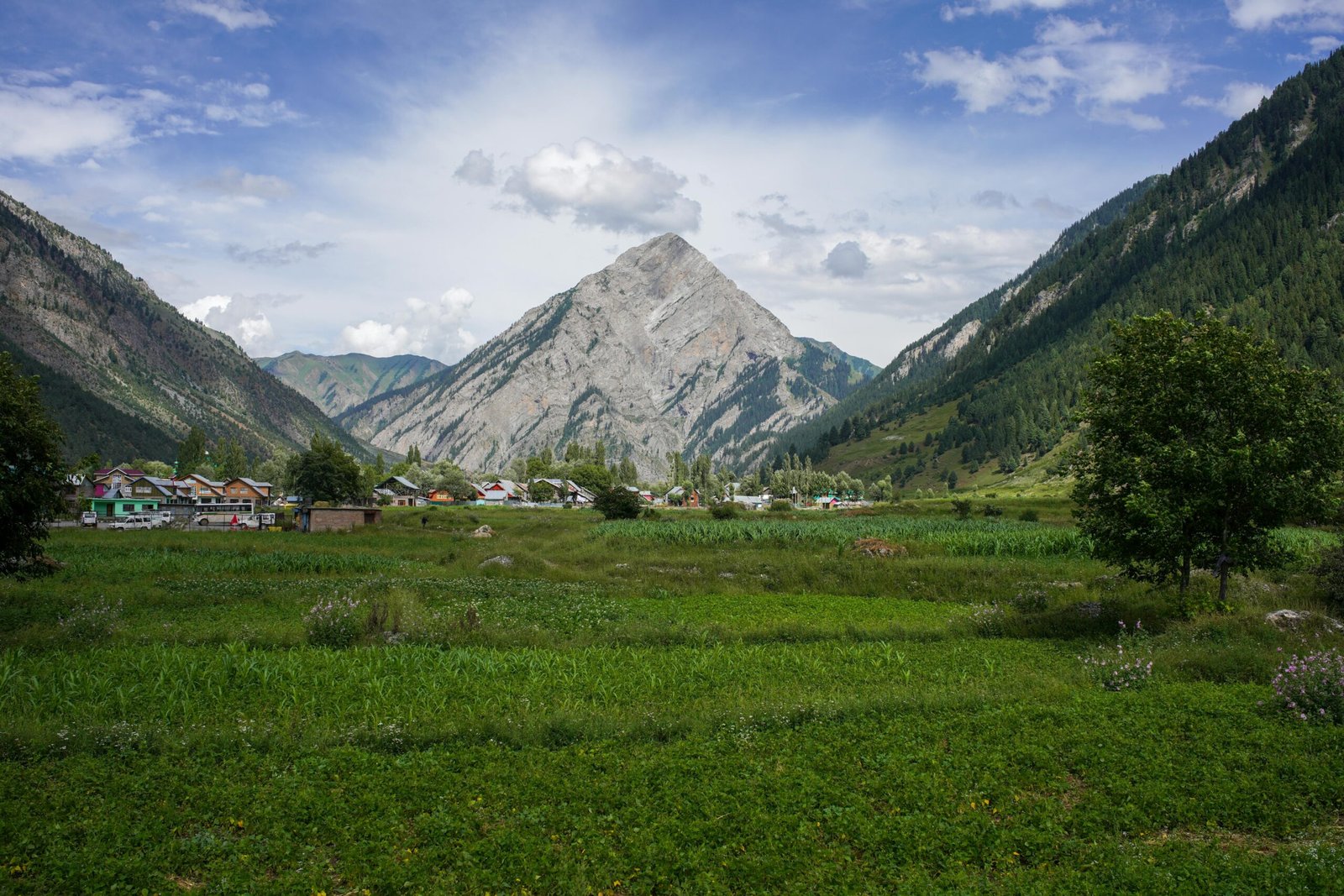
Farther north, Gurez Valley remains one of the most isolated regions of Kashmir. Improved road access has extended the travel season, though winter still cuts the valley off for months.
Here, residents of the Dard-Shina community live in wooden homes and speak a language distinct from the rest of the valley. Travelers who stay in village homestays often take part in routine tasks, gathering firewood, helping with harvests, and sharing evening meals.
Stories are passed down orally. Local elders still recount legends connected to the surrounding mountains, including tales of Habba Khatoon, a poet whose verses are remembered centuries later.
Visiting With Care
Residents across the valley stress the importance of sensitivity.
Visitors are encouraged to dress modestly, ask before taking photographs, and purchase crafts directly from artisans. These gestures, locals say, help preserve trust in places where daily life continues largely unchanged.
In these early mornings and quiet villages, Kashmir reveals itself not as a spectacle, but as a lived-in place, shaped by routine, resilience, and the steady passage of winter days.