

Kashmir Tourism Sees Strong Comeback as Dal Lake Attracts Visitors in 2026
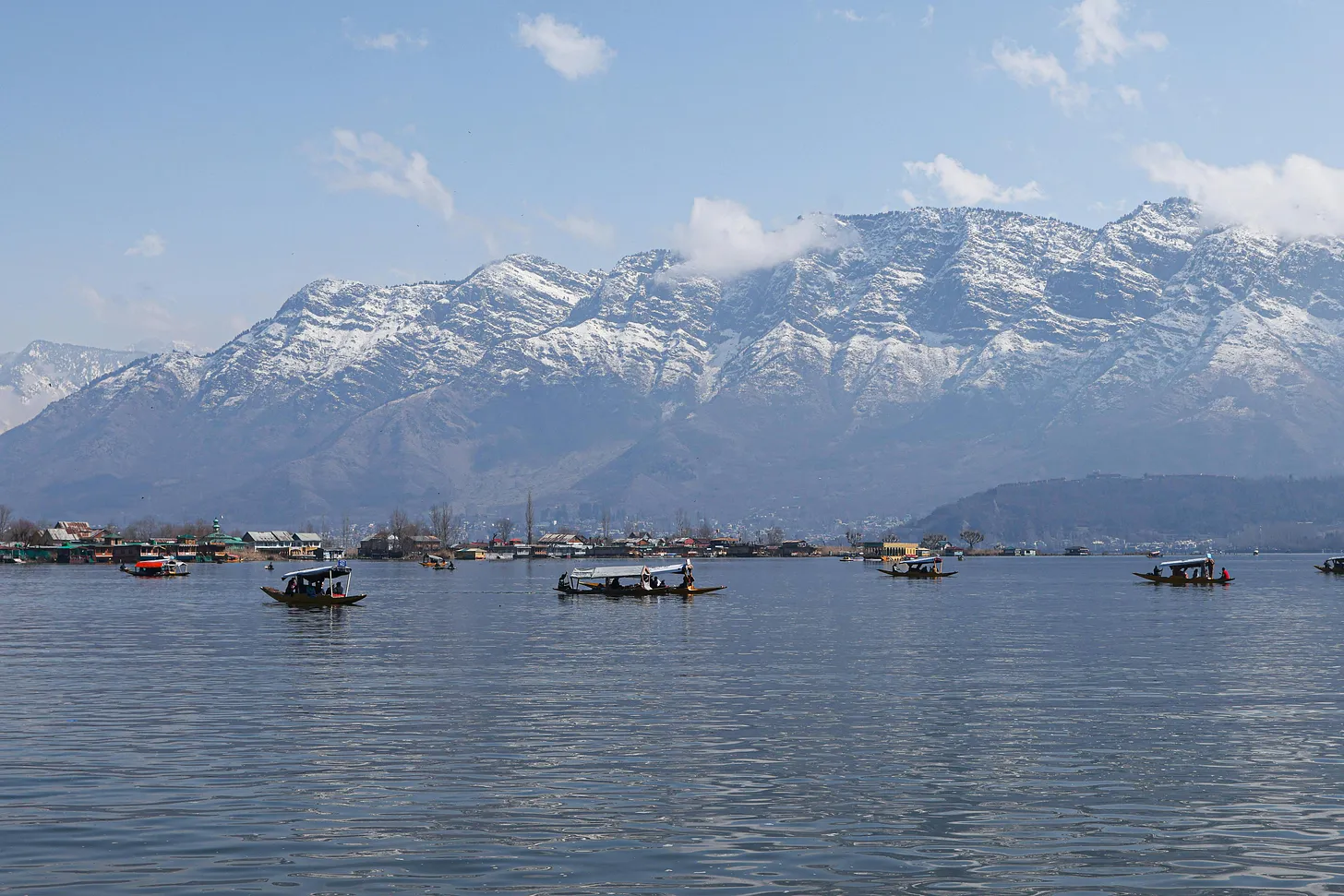
Kashmir is once again seeing a strong return of tourists in 2026. The region, known for its natural beauty, cool climate, and peaceful environment, is attracting large numbers of visitors. At the center of this revival is Dal Lake, one of the most iconic travel spots in India.
After facing challenges in recent years, tourism in Kashmir is recovering steadily. Improved safety measures, better infrastructure, and renewed traveler confidence are playing a key role in bringing tourists back to the valley.
Why Dal Lake is Driving Tourism Growth
Dal Lake remains the heart of tourism in Srinagar. Known as the “Jewel of Kashmir,” it offers a calm and scenic experience that appeals to both domestic and international travelers.
Visitors are especially drawn to:
- Traditional Shikara rides that allow tourists to explore the lake slowly
- Houseboats that provide a unique stay experience on water
- Surrounding Mughal gardens like Shalimar Bagh
- Cool summer weather that offers relief from heat in other parts of India
The lake is not just a sightseeing spot. It is a complete travel experience combining culture, nature, and lifestyle.
Cool Climate Becomes a Key Travel Trend
One major reason for the rise in tourist numbers is climate preference. Travelers are now actively choosing cooler destinations, especially during peak summer months.
Kashmir’s mild temperatures, fresh air, and natural surroundings make it a strong alternative to crowded and hot cities. The breeze around Dal Lake and the greenery across the valley create a relaxing environment for visitors.
This shift shows a growing global trend where travelers prefer “climate-friendly destinations” over traditional crowded tourist spots.
Tourism Season Boosted by Events and Attractions
The opening of seasonal attractions has also supported tourism growth. For example, the famous Indira Gandhi Memorial Tulip Garden attracts thousands of visitors every spring, marking the start of the tourism season.
Such events help Kashmir stay active throughout the year and attract different types of travelers, from nature lovers to photographers.
Safety and Infrastructure Improvements Build Confidence
Authorities in Kashmir have introduced new systems to improve tourist safety. Verified service providers, better monitoring, and organized tourism operations are helping rebuild trust among visitors.
These steps are important because safety perception directly affects travel decisions. As confidence increases, more tourists are willing to visit the region again.
Tourism Numbers Show Strong Recovery
Tourism in Jammu and Kashmir has been growing rapidly over the past few years. Domestic visits crossed millions annually, showing a strong upward trend and renewed interest in the destination.
The current increase in tourist activity around Dal Lake clearly signals that Kashmir is regaining its position as one of the top travel destinations in South Asia.
Challenges Still Remain
Despite the positive growth, some challenges continue:
- Occasional safety concerns still influence traveler decisions
- Infrastructure in remote areas needs further development
- Environmental pressure on Dal Lake requires careful management
Recent incidents also highlight the importance of strong medical and emergency systems for tourists.
What This Means for Travel Industry and Marketers
This tourism revival is not just about Kashmir. It reflects a larger shift in travel behavior:
- Travelers want peaceful and natural destinations
- Climate plays a bigger role in destination choice
- Experience-based travel is more important than luxury alone
For travel businesses, Kashmir offers a strong opportunity to build packages around nature, culture, and relaxation.
Conclusion
Kashmir is once again becoming a top travel destination, with Dal Lake leading the way. Its calm waters, cool climate, and unique experiences are drawing tourists in large numbers.
If the current momentum continues, Kashmir can position itself not just as a seasonal destination, but as a year-round experience driven by nature, culture, and smart tourism development.