Srinagar: For travelers planning a journey to Kashmir in Jan 2026, the coming days offer a rare gift: stability.
Meteorologists in Srinagar say the region is likely to experience largely dry and settled weather until January 22, with no major snow systems on the horizon. For visitors, this means clearer roads, smoother flights, and uninterrupted views of snow-covered valleys though the cold will demand respect.
From January 7 to 15, skies across Jammu and Kashmir are expected to remain partly cloudy, ideal for sightseeing in Srinagar, Gulmarg, and Pahalgam. A brief shift is forecast around January 16 and 17, when cloud cover may increase and light rain or snowfall could touch a few isolated areas of the Kashmir Valley. Any snowfall is expected to be minimal and localized, mostly at higher elevations. Conditions return to partly cloudy by January 18 and 19, with another chance of very light snow in the higher reaches around January 20. The final days, January 21 and 22, are expected to remain calm and partly cloudy.
In short, no major weather disruptions are anticipated across the region during this period—welcome news for winter travelers.
That said, Kashmir is deep in its coldest season. Night temperatures are expected to fall further until around January 10, before rising slightly by one or two degrees Celsius. Cold wave conditions are likely to intensify over the next few days. In the Kashmir plains, nighttime temperatures are hovering between minus 4 and minus 9 degrees Celsius, while higher mountain areas may see readings plunge to between minus 6 and minus 13 degrees.
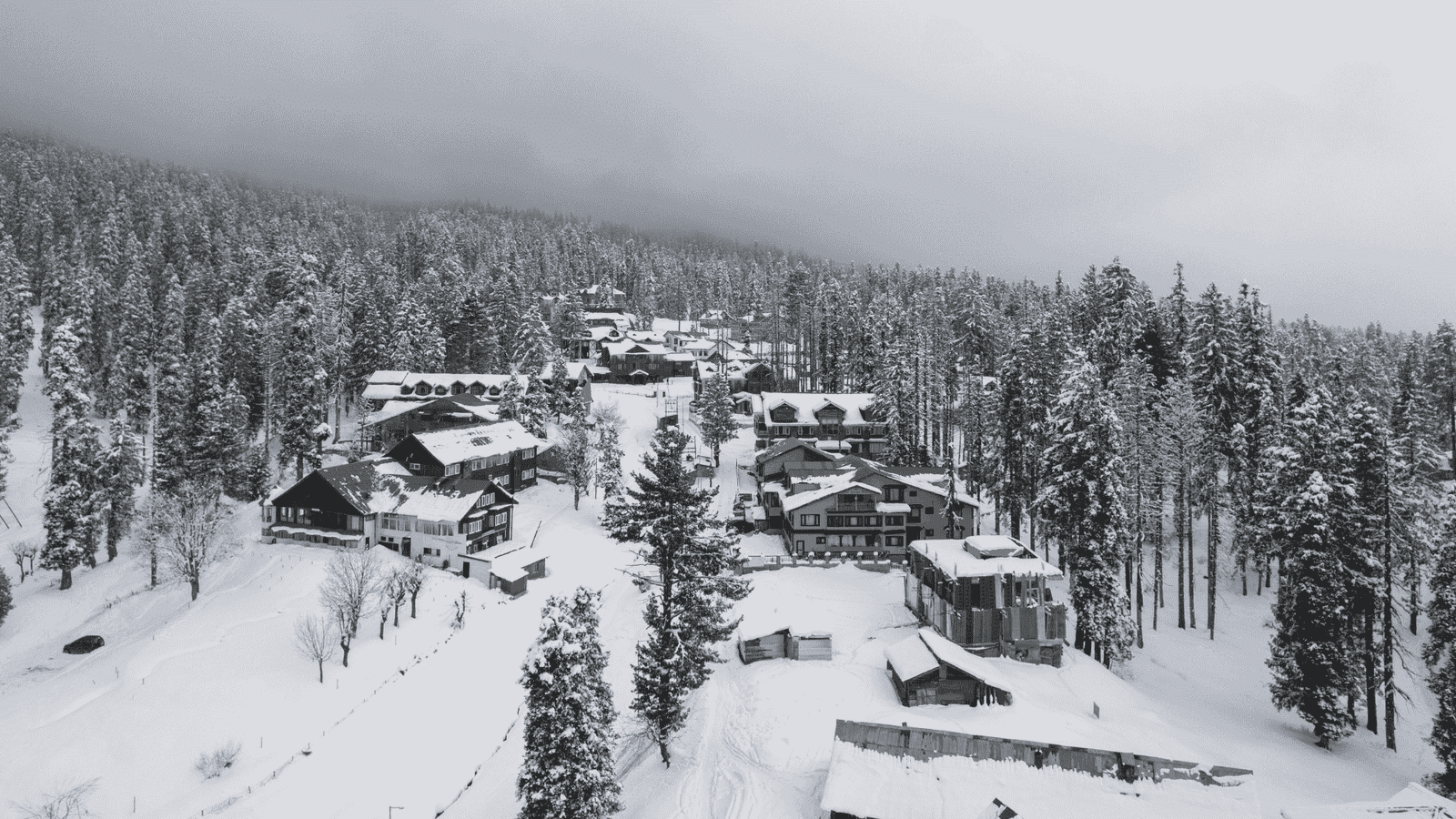
Popular winter destinations are already feeling the chill. Sonamarg recorded temperatures below minus 10 degrees, while Gulmarg and Pahalgam dipped well below minus 7. Srinagar itself remains cold but manageable, with temperatures just below freezing at night brisk mornings followed by crisp, sunlit afternoons.
In contrast, the Jammu plains are milder, with nighttime temperatures ranging from 0 to 6 degrees Celsius, though travelers should be prepared for fog. Moderate fog, and dense patches in some areas, are expected to persist for several days, particularly during early mornings and late evenings. Reduced visibility may affect road travel, and caution is advised.
Beyond travel comfort, the prolonged dry spell has raised quiet concerns locally. With little snowfall or rain, water levels in rivers and streams continue to drop an issue being closely watched as winter progresses.
For travelers, however, this period offers a serene version of Kashmir: frozen lakes, silent forests, empty trails, and mountain light that feels almost sculpted. Pack heavy layers, plan early starts after fog lifts, and take advantage of a rare stretch of calm in one of winter’s most dramatic landscapes.