Dateline: DAWAR, GUREZ VALLEY — Dec 26, 2025
As the famous Mughal Gardens crowd with influencers, a new wave of travelers is heading north and south to discover Kashmir’s hidden map where silence is the luxury and electricity is sometimes optional
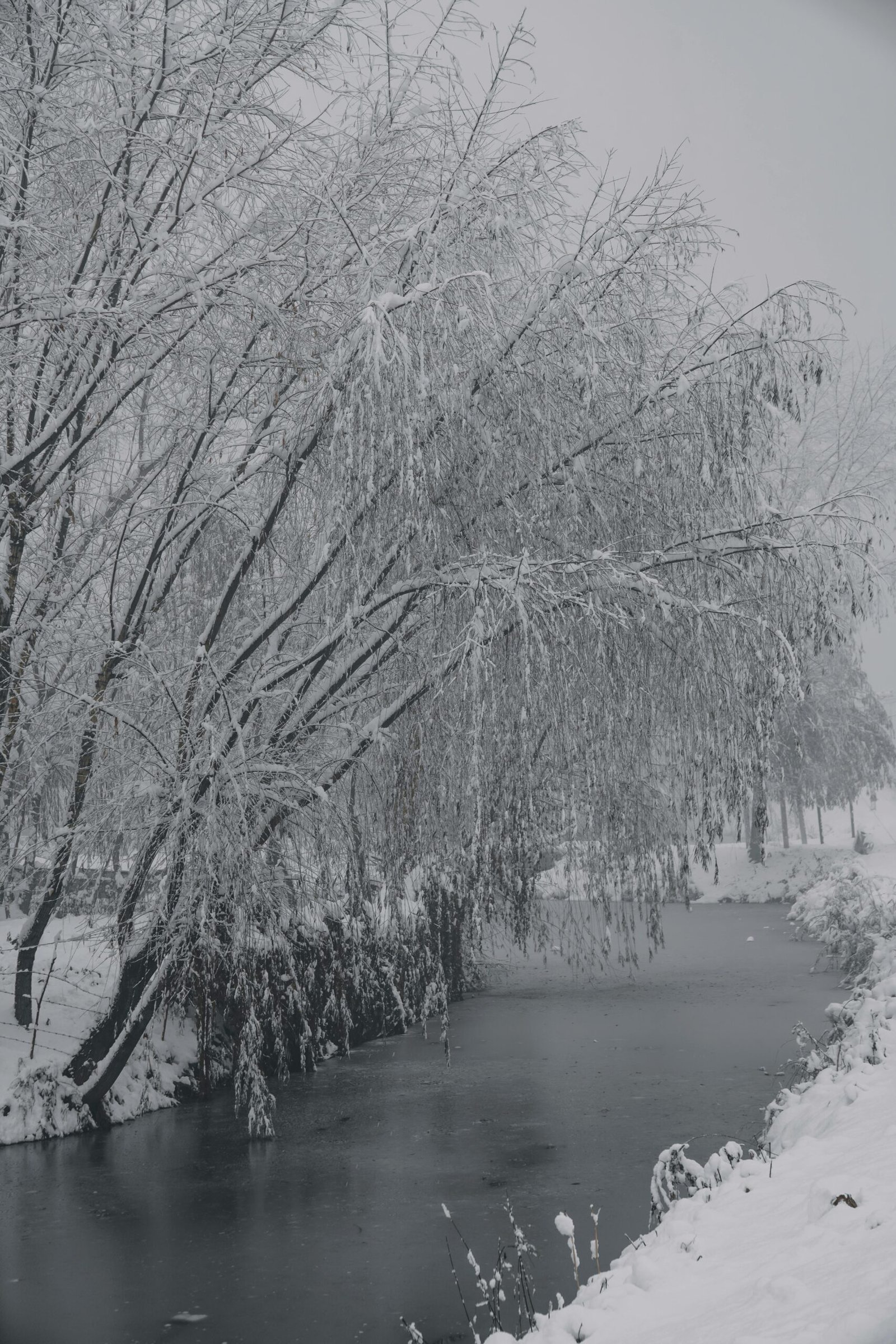
The shikaras of Dal Lake are bobbing under the weight of winter tourists, and the gondola queue at Gulmarg stretches for hours. But 130 kilometers north, in a valley carved by the Kishanganga River, the only sound is the crunch of boots on fresh powder and the distant call of a shepherd.
This is Gurez, a place once severed from the world by heavy snow and military restrictions, now emerging as the crown jewel of Offbeat Kashmir.
In 2025, the narrative of Kashmir tourism has shifted. While the “Golden Triangle” of Srinagar, Gulmarg, and Pahalgam remains popular, a growing demographic of travelers is seeking the “Unknown Kashmir”—a landscape of hidden valleys, thundering waterfalls, and wooden villages that time forgot.
The Rise of Gurez: The Switzerland of the East
“Five years ago, we saw maybe ten backpackers a month,” says distinctive local homestay host Abdul Raheem in the village of Dawar. “Now, travelers come specifically for the silence.”
Gurez Valley, guarded by the pyramid-shaped Habba Khatoon Peak, offers a starkly different experience from the commercialized hubs. Here, luxury isn’t room service; it is the raw, unfiltered connection with the Dard-Shina tribe, an ethnic community with a distinct culture and language.
Improved road connectivity in 2025, including better snow-clearing operations on the Razdan Pass, has made Gurez accessible for longer stretches of the year, allowing intrepid travelers to witness its winter transformation into a white, silent wonderland.
Bangus and Warwan: The Virgin Meadows
For those asking “Where can I find untouched nature in Kashmir?”, the answer lies in the biosphere of Bangus Valley. Located in the Kupwara district, Bangus was, until recently, a restricted area. Today, it is being hailed as one of the finest meadows in Asia.
Unlike the manicured slopes of Pahalgam, Bangus is wild. There are no concrete hotels here—only eco-friendly glamping pods and endless stretches of green (or white, in December) flanked by dense pine forests.
Further afield lies the Warwan Valley, often described as India’s last true wilderness. Accessible only via the treacherous Margan Top, Warwan offers a digital detox that is rare in the modern world. It is the ultimate destination for trekking in Kashmir, offering routes that traverse glaciers and connect to Ladakh, attracting serious adventure seekers who want to escape the crowds entirely.
Chasing Waterfalls: Aharbal and Beyond
While the valleys offer serenity, the south offers power. The Aharbal Waterfall, known colloquially as the “Niagara of Kashmir,” is seeing a surge in winter tourism. The frozen edges of the Veshu River against the thundering plunge pool create a dramatic visual that has become a photographer’s dream.
“Travelers are realizing there is more to Kashmir than lakes,” says a representative from the J&K Tourism Department. “We are seeing a 40% increase in inquiries for Daksum and Sinthan Top, areas that offer snow activities without the commercial rush of Gulmarg.”
Sinthan Top, a mountain pass connecting Kashmir to Kishtwar, has become a favorite for those seeking snow drives and 360-degree views of the Pir Panjal and Zanskar ranges, accessible even when other passes are closed.
Village Life and Sustainable Travel
The boom in offbeat tourism is fueled by a desire for authenticity. Homestays in Kashmir are replacing standard hotels in these remote areas. In villages like Chatpal and Reshwari, locals have opened their heritage wooden homes to tourists, offering a taste of traditional Wazwan cuisine cooked over wood fires.
This shift is crucial for the local economy. “Tourism dollars are finally reaching the remote villages, not just the big hoteliers in Srinagar,” notes a Srinagar-based travel analyst.
The Connectivity Revolution
The biggest catalyst for this dispersal of tourism is the full operation of the Udhampur-Srinagar-Baramulla Rail Link (USBRL). With the train now connecting the valley to the rest of India seamlessly in 2025, getting to Kashmir is cheaper and more reliable. This has freed up budget for travelers to hire local cabs and explore deeper into the hinterlands.
As 2026 approaches, the verdict is clear: The real Kashmir isn’t found in a brochure. It is found down the dirt road, past the last checkpoint, where the mountains are still nameless and the welcome is warm.
Traveler’s Toolkit: Exploring Offbeat Kashmir
If you are planning to travel to Kashmir in 2026 and want to skip the crowds, here is what you need to know:
How to Reach: Take the train or fly to Srinagar. From there, hire a private 4×4 taxi. Public transport to offbeat areas like Gurez or Warwan is sparse.
Permits: Areas like Gurez and Bangus are close to the Line of Control (LoC). You must carry a valid ID (Aadhaar/Passport) for checkpoints. Foreign nationals need prior permission for certain border areas.
Best Places for “Slow Travel”:
Gurez Valley: For culture, landscapes, and starry nights.
Chatpal: For solitude and writing retreats.
Aharbal & Kungwattan: For day hikes and waterfalls.
Doodhpathri: A closer alternative to Gulmarg for meadows.
Packing Essentials: In winter (Dec-Mar), temperatures in these valleys drop to -15°C. Heavy woolens, thermals, and waterproof boots are mandatory.
Stay Connected: Mobile networks (specifically Jio and BSNL Postpaid) work in Gurez and Aharbal, but expect zero connectivity in Warwan.