SRINAGAR — Kashmir has entered Chillai Kalan, the coldest phase of its winter, a traditional 40-day period marked by freezing temperatures, heavy snowfall, and limited daylight. The season began on December 21 and will continue until January 31.
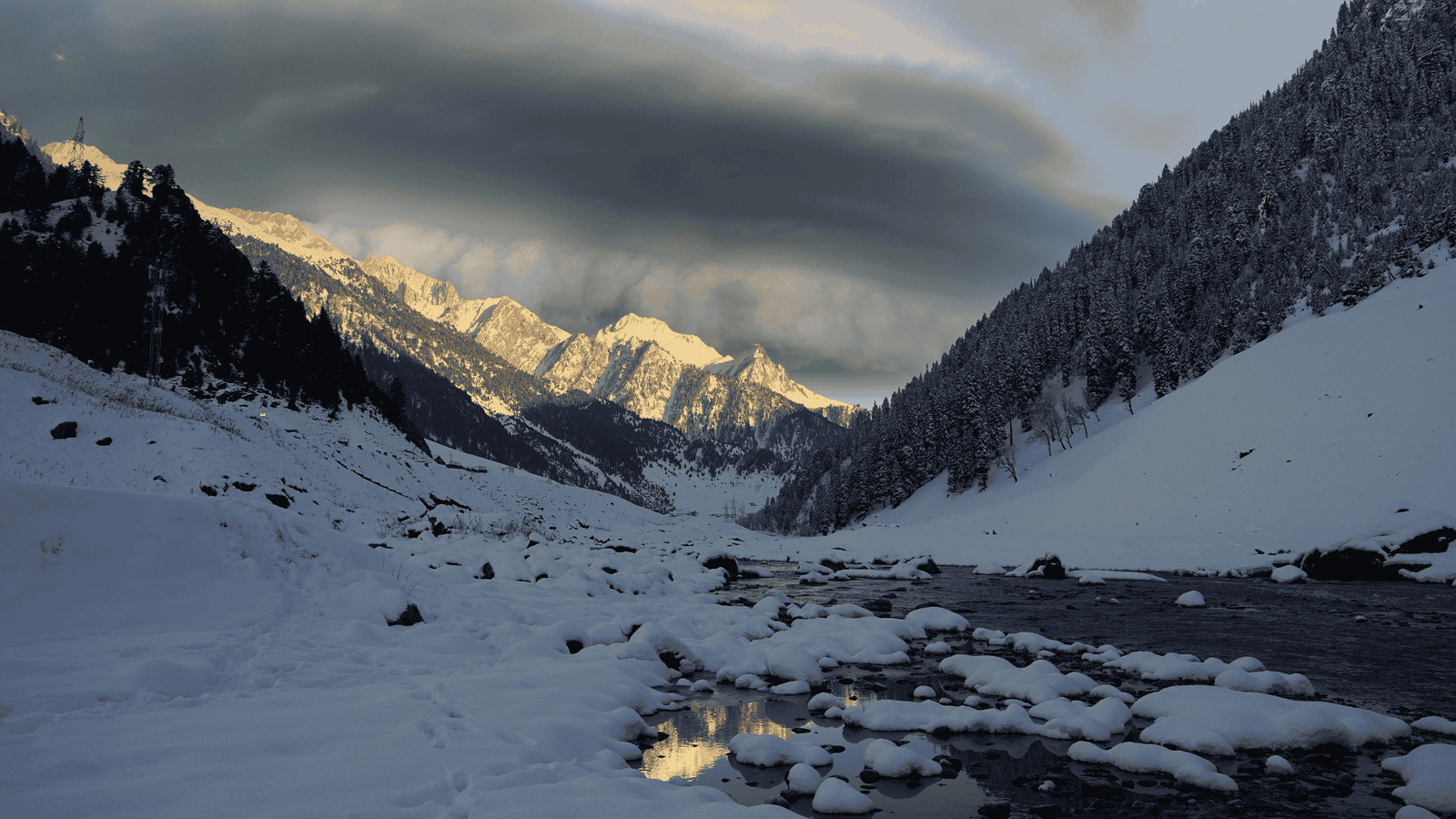
For travelers arriving in the valley during the New Year period, the landscape is striking , snow-covered fields, frozen lake edges, and clear winter skies. But local authorities and residents caution that winter travel during Chillai Kalan requires planning and patience.
What Chillai Kalan Means
Chillai Kalan is not just a cold spell. It is the harshest winter period in Kashmir, when temperatures regularly drop below zero, water pipes freeze overnight, and daily routines slow down.
Historically, this period determines how severe the rest of winter will be. Snowfall during these 40 days often shapes road access, water supply, and travel conditions well into February.
Current Weather Conditions (Dec. 27 – Jan. 1)
Srinagar:
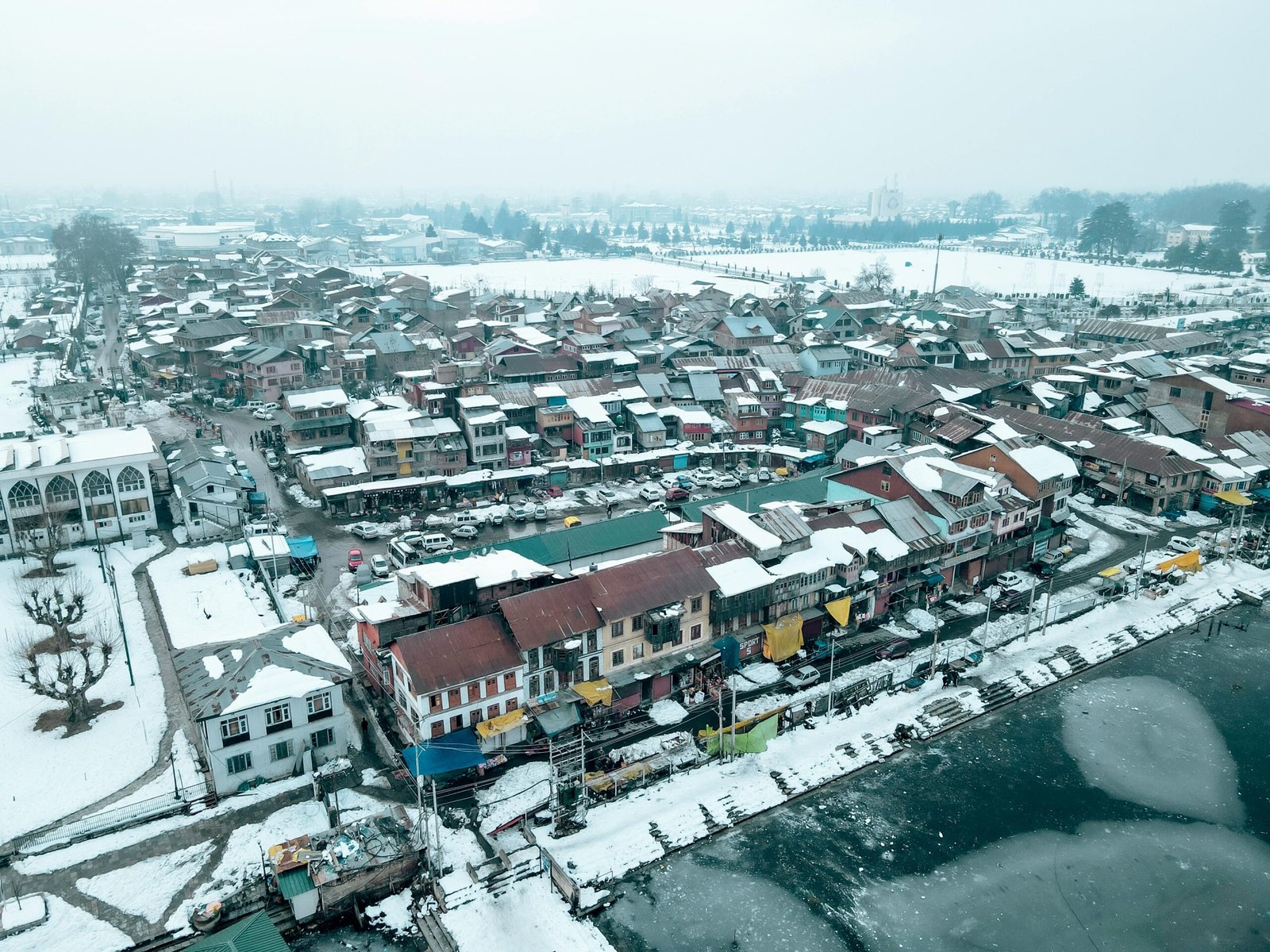
Night temperatures have fallen to around –5.4°C, while daytime temperatures remain cold but manageable at about 8°C. The edges of Dal Lake freeze in the early morning hours, a common sight during this phase of winter.
Gulmarg:
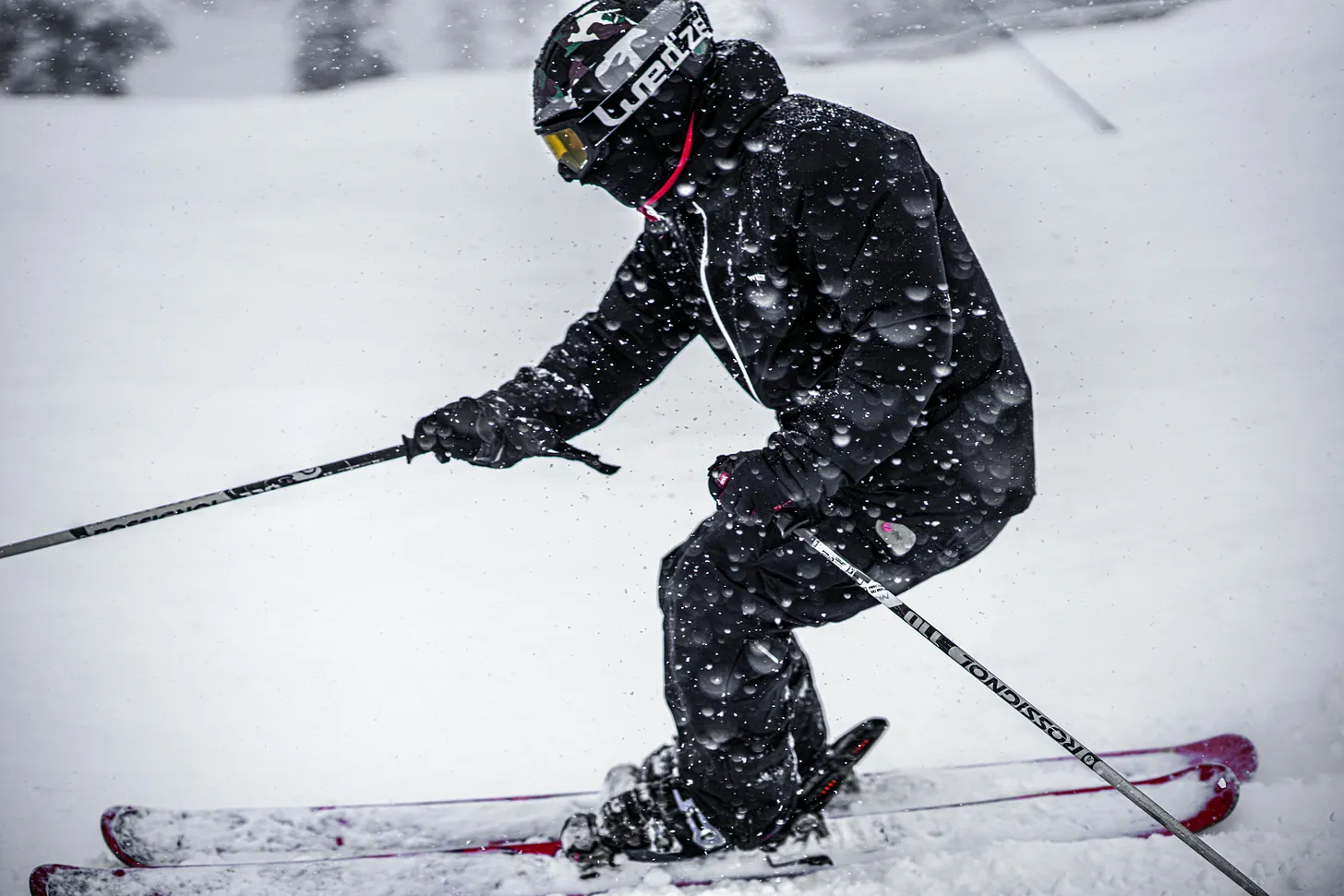
The ski resort continues to receive heavy snowfall. Temperatures range between –8°C and –12°C, especially after sunset. Roads remain open but can become slippery, particularly in the evenings.
Pahalgam:
Clear skies have brought sharp nighttime cold, with temperatures dropping to –6°C. Daytime conditions are stable, but early mornings are extremely cold.
Flight Delays and Fog at Srinagar Airport
Dense fog has been affecting Srinagar International Airport during early morning hours, usually between 7:00 a.m. and 10:00 a.m. This can lead to flight delays, especially for departures scheduled before noon.
The airport now operates a CAT-II Instrument Landing System, introduced in late 2024, which allows aircraft to land in lower visibility. While this has reduced cancellations, delays of one to two hours remain common during foggy mornings.
Travel Advice:
Passengers are advised to check flight status before leaving their hotels and allow extra time for airport transfers. Afternoon flights are generally less affected.
What to Pack for Chillai Kalan
Travelers should prepare for prolonged exposure to cold, both indoors and outdoors.
Layered Clothing:
A single jacket is not enough. Locals recommend three layers:
- Thermal base layer
- Fleece or wool mid-layer
- Windproof and waterproof down jacket
Footwear:
Regular sneakers offer little protection in freezing conditions. Insulated, waterproof boots with strong grip are essential, particularly in snow-covered areas. Brands commonly used by winter travelers include Decathlon and Columbia.
Health Essentials:
Dry cold often causes nasal congestion, headaches, and skin irritation. Carry basic medicines such as decongestants, moisturizers, and lip balm.
Practical Tips from Locals
- Expect frozen water taps early in the morning; hotels usually restore supply by mid-day.
- Keep power banks charged, as electricity fluctuations can occur during heavy snowfall.
- Avoid tight travel schedules. Roads, especially to hill resorts, may open later than planned.
The Experience
Despite the challenges, many travelers choose to visit during Chillai Kalan for its quiet beauty. Tourist crowds are thinner, snow landscapes are at their peak, and the pace of life slows to a winter rhythm.
For those prepared for the cold, Chillai Kalan offers a rare look at Kashmir in its most elemental form — stark, silent, and deeply seasonal.